
Understanding the Need for Gentle Restraint
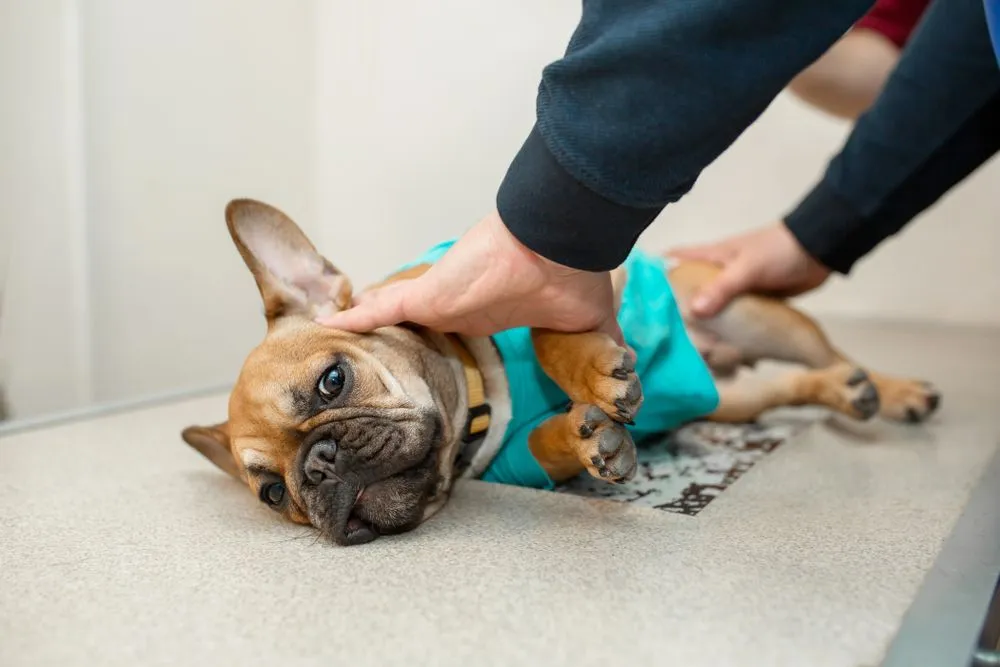
Pet injuries can cause pain, anxiety, and sudden movements, which may make handling difficult. Gentle restraint is essential to ensure the safety of both the pet and the caregiver. Proper restraint reduces stress, prevents further injury, and allows veterinary staff to provide effective care.
Pets in pain may react unpredictably, and improper handling can worsen their condition. Using calm, controlled methods ensures that treatment proceeds smoothly while keeping the animal comfortable.
Preparing for Restraint
Preparation is a key step in safely restraining an injured pet. Assess the injury before moving the animal, and gather any necessary equipment such as towels, blankets, or muzzles if recommended by a veterinarian. Creating a calm environment helps reduce fear and agitation, and speaking in a soothing tone can reassure the pet.
A veterinarian can guide pet owners on when and how to safely apply restraint techniques. Observing the pet’s behavior is important to determine the level of support required during handling.
Techniques for Gentle Restraint
Towel or blanket wraps are commonly used for small to medium pets. Wrapping the pet snugly helps limit sudden movements while supporting injured areas. For larger animals, manual restraint with assistance from another person can provide stability without putting excessive pressure on the injured site.
Minimizing direct pressure on the injury is crucial. Supporting the pet’s body and avoiding manipulation of the affected area allows caregivers and veterinary staff to examine and treat the injury safely. Short, controlled movements are better than prolonged restraint, which can increase stress and discomfort.
Recognizing Signs of Stress
During restraint, pets may show signs of stress such as heavy panting, vocalizing, trembling, or attempts to escape. Pausing and giving the pet a moment to relax helps maintain cooperation and reduces the risk of further injury. Positive reinforcement, such as gentle petting or verbal encouragement, can also improve compliance. Monitoring the pet’s response is essential throughout any pet injury treatment. Adjusting techniques based on comfort and reaction ensures safety and effectiveness.
Supporting Home Care
Pet owners can support recovery at home by practicing safe handling methods recommended by a veterinarian. Transporting pets carefully, using supportive carriers, and avoiding sudden movements help prevent additional injuries. Combining restraint techniques with consistent care improves the overall recovery process.
Pet Injury Treatment at Sheehy Animal Hospital
At Sheehy Animal Hospital in Livonia, MI, pet injury treatment focuses on safe handling, accurate assessment, and compassionate care. For more information or to schedule an appointment, call our office at (248) 615-7670. Effective restraint allows for proper examination, treatment, and rehabilitation of injured pets, supporting faster recovery and long-term wellness.